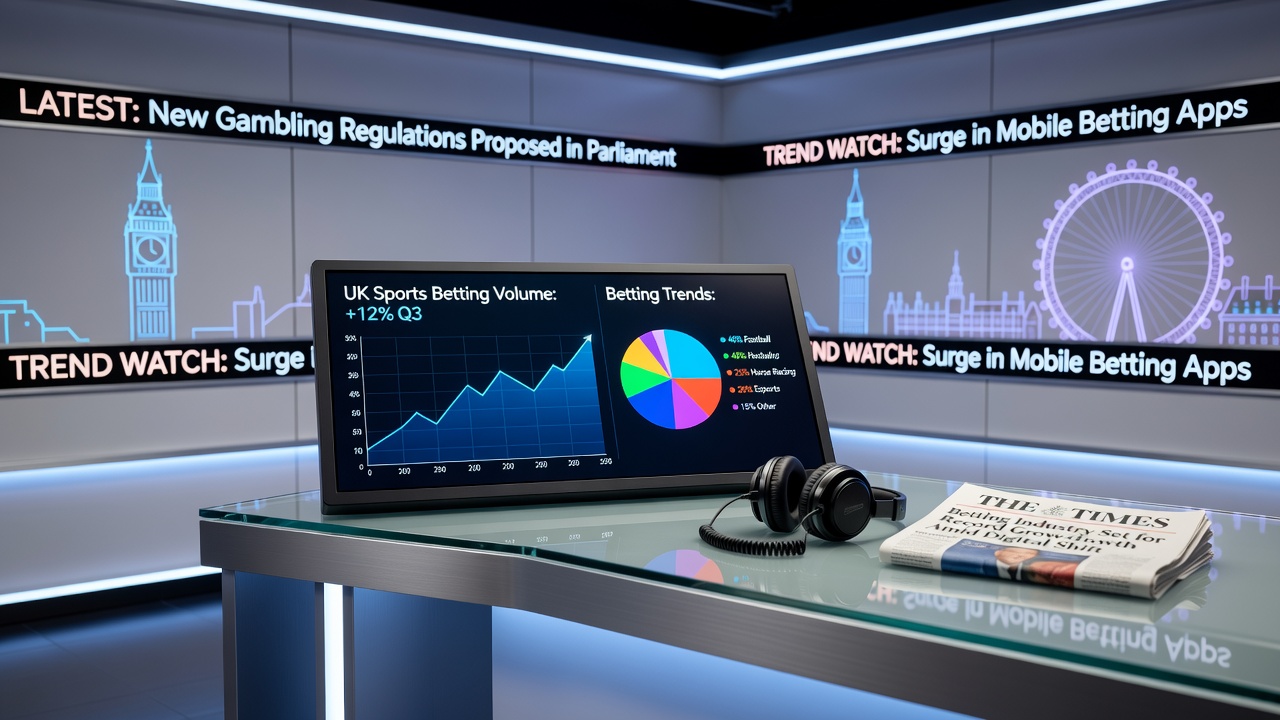
Consumer Shifts Powering Expansion in UK Online Gambling Sectors
Data from the year ending March 2025 shows Great Britain’s regulated gambling market reached £16.8 billion in gross gambling yield, and observers trace much of that figure to changes in how people interact with digital platforms rather than physical venues.
Smartphone Adoption Reshapes Access Patterns
Researchers tracking consumer habits note that widespread smartphone ownership has allowed users to place wagers at any moment, which aligns with the broader move toward mobile-first experiences. Studies indicate this accessibility supports real-time engagement during live events, where bettors can adjust positions as matches unfold instead of relying on pre-event retail outlets.
Those monitoring platform growth point out that seamless digital payments further reduce friction, letting transactions complete quickly through familiar banking apps and e-wallets. This combination of instant connectivity and streamlined funding creates conditions where online channels capture a larger share of overall activity compared with traditional betting shops.
In-Play Betting Emerges as Key Driver
Evidence from industry reports highlights in-play betting during live sports as a major factor behind recent yield increases. Bettors who once waited for results now participate continuously, responding to unfolding play with updated odds that reflect current game states. This dynamic format encourages repeated interactions within a single event, sustaining engagement levels that static pre-match options rarely match.
Figures reveal that platforms optimized for these live interactions have seen participation rise steadily, particularly among users who carry smartphones throughout their day. The convenience of checking scores and adjusting bets without leaving an app integrates gambling into routine viewing habits rather than requiring separate trips to physical locations.

Digital Payments Streamline Transactions
Analysts examining payment trends observe that integrated digital options eliminate delays once common in older systems. Users complete deposits and withdrawals through the same devices they use for betting, which keeps activity within the app environment. Data indicates this continuity helps maintain session length and frequency, contributing to higher aggregate yields across remote operators.
Regulatory records for the period ending March 2025 reflect these patterns, showing remote sectors outpacing retail counterparts. The shift occurs because mobile interfaces combine multiple functions—viewing events, placing bets, managing funds—into one continuous flow that fits modern daily routines.
Market Performance in Context
Statistics compiled through March 2025 demonstrate how mobile-first strategies and live features have supported overall market expansion. Gross gambling yield reached the reported £16.8 billion level as operators adapted interfaces to accommodate shorter attention spans and on-the-go decision making. Observers note that these adaptations align with broader consumer expectations shaped by other digital services, where speed and immediacy define standard interactions.
Looking ahead to August 2026, ongoing sports calendars continue to provide regular opportunities for in-play activity, sustaining the conditions that drove recent growth. Platform developers have responded by refining real-time data feeds and payment integrations to keep pace with user preferences that favor flexibility over fixed schedules.
Conclusion
Records from the year ending March 2025 establish clear links between smartphone usage, in-play features, and digital payment ease on one side and elevated gross gambling yield on the other. The £16.8 billion total reflects these converging trends rather than isolated factors, as remote platforms capture activity that previously occurred through retail channels. Continued monitoring through 2026 will show whether these patterns hold as additional live events unfold across the calendar.